
CBD and Interstitial Cystitis: Managing Bladder Pain Syndrome Naturally

- Introduction
- Understanding Interstitial Cystitis/Bladder Pain Syndrome
- What Is IC/BPS?
- Types of IC/BPS
- Proposed Mechanisms
- Current Treatment Challenges
- The ECS and Bladder Function
- ECS Components in the Urinary Tract
- ECS Role in Bladder Regulation
- ECS Dysfunction in IC/BPS
- How CBD May Help IC/BPS
- Pain and Sensory Modulation
- Anti-Inflammatory Effects
- Pelvic Floor Relaxation
- Anxiety and Stress Reduction
- Research Evidence
- Preclinical Studies
- Human Studies and Reports
- Delivery Methods for IC/BPS
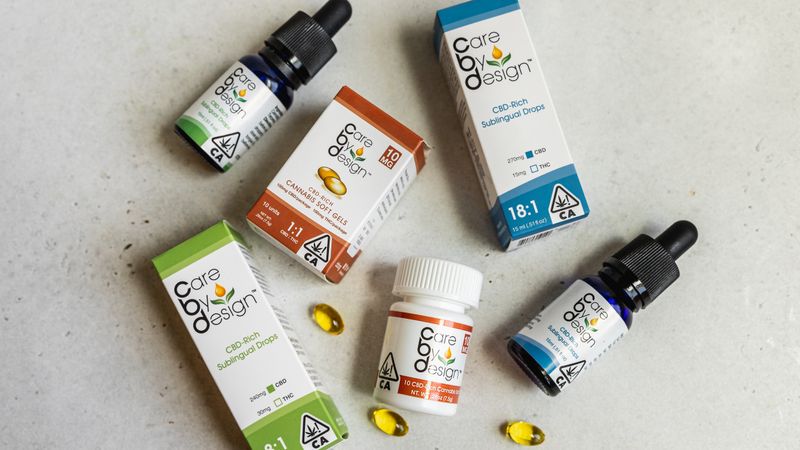
- Oral CBD Oil/Tincture (Primary Systemic Approach)
- CBD Suppositories (Localized Pelvic Delivery)
- Topical CBD (Pelvic Floor/Abdominal)
- CBD Capsules/Softgels
- Dosage Guide for IC/BPS
- Starting Protocol (Conservative)
- Flare Management Protocol
- IC/BPS-Specific Considerations
- Integration with IC/BPS Treatment
- CBD + Diet Management
- CBD + Pelvic Floor Physical Therapy
- CBD + Current Medications
- Choosing Quality Products for IC/BPS
- Essential Quality Criteria
- Spectrum Recommendations
- Expert Perspectives
- Urologists
- Pelvic Pain Specialists
- Patient Advocacy Groups
- Future Research Directions
- Conclusion
- Key Takeaways
Introduction
Interstitial cystitis/bladder pain syndrome (IC/BPS) affects an estimated 3-8 million women and 1-4 million men in the United States, according to the Urology Care Foundation. This chronic condition causes bladder pressure, bladder pain, and sometimes pelvic pain—ranging from mild discomfort to severe, debilitating pain.
With no known cure and limited effective treatments, many IC/BPS patients are exploring CBD (cannabidiol) as a complementary therapy. This guide examines the scientific rationale for CBD in bladder pain syndrome, including the endocannabinoid system’s role in bladder function, potential benefits, risks, and practical guidance.
Understanding Interstitial Cystitis/Bladder Pain Syndrome
What Is IC/BPS?
According to the National Institute of Diabetes and Digestive and Kidney Diseases (NIDDK), IC/BPS is a chronic condition causing:
- Bladder pressure and pain that worsens as the bladder fills
- Urinary urgency and frequency (up to 60 times daily in severe cases)
- Pelvic pain, often worsening during menstruation
- Pain during sexual intercourse (dyspareunia)
- Symptom flares triggered by stress, certain foods, and hormonal changes
Types of IC/BPS
- Ulcerative (Hunner’s lesions): Present in 5-10% of cases; distinct inflammatory patches on bladder wall
- Non-ulcerative: More common form; bladder wall appears relatively normal but hypersensitive
Proposed Mechanisms
- GAG layer deficiency: Damaged protective glycosaminoglycan layer allows urine to irritate bladder wall
- Mast cell activation: Excessive histamine release in bladder tissue
- Neurogenic inflammation: Sensitized nerve fibers causing chronic pain signaling
- Autoimmune component: Some evidence of immune dysregulation
- Pelvic floor dysfunction: Muscle spasm and trigger points contribute to pain
- Central sensitization: Altered pain processing in the spinal cord and brain
Current Treatment Challenges
According to the American Urological Association guidelines, treatment is multimodal and often inadequate:
- Behavioral modifications: Diet changes, bladder training, stress management
- Oral medications: Pentosan polysulfate (Elmiron)—recently flagged for retinal toxicity; amitriptyline; hydroxyzine; gabapentin
- Bladder instillations: DMSO, heparin/lidocaine cocktails—invasive, temporary relief
- Physical therapy: Pelvic floor PT is first-line but requires specialized practitioners
- Neuromodulation: Sacral nerve stimulation for refractory cases
- No FDA-approved treatment consistently effective for all patients
The ECS and Bladder Function
ECS Components in the Urinary Tract
- CB1 receptors: Found in bladder detrusor muscle, urothelial cells, and sensory nerve fibers
- CB2 receptors: Present in immune cells within bladder wall, mast cells, and urothelium
- TRPV1 receptors: Highly expressed in bladder afferent nerves—critical for bladder pain
- TRPV4 receptors: Involved in bladder stretch sensing and urgency
- Anandamide: Produced by urothelial cells; regulates bladder sensation
ECS Role in Bladder Regulation
- Sensory modulation: Endocannabinoids suppress bladder afferent nerve activity, reducing urgency and pain
- Detrusor regulation: CB1 activation reduces involuntary bladder contractions
- Inflammation control: CB2 activation in bladder wall modulates immune responses
- Mast cell stabilization: Cannabinoids may reduce mast cell degranulation
ECS Dysfunction in IC/BPS
Research suggests that IC/BPS patients may have altered endocannabinoid tone:
- Reduced anandamide levels in bladder tissue
- Upregulated TRPV1 receptors contributing to pain hypersensitivity
- Altered CB receptor expression in inflamed urothelium
- This pattern aligns with the Clinical Endocannabinoid Deficiency (CED) theory
How CBD May Help IC/BPS
Pain and Sensory Modulation
- TRPV1 desensitization: CBD activates then desensitizes TRPV1 channels—particularly relevant since TRPV1 overexpression drives IC/BPS bladder pain
- Anandamide enhancement: CBD inhibits FAAH enzyme, increasing anandamide levels to suppress bladder afferent signaling
- Central pain modulation: May help address central sensitization common in chronic IC/BPS
Anti-Inflammatory Effects
- Mast cell modulation: CBD may reduce histamine release from bladder mast cells
- Cytokine reduction: Lowers TNF-α, IL-6, and other inflammatory mediators in bladder tissue
- NF-κB inhibition: Blocks key inflammatory pathway activated in IC/BPS
Pelvic Floor Relaxation
- CBD’s muscle-relaxant properties may benefit pelvic floor muscle spasm
- May work synergistically with pelvic floor physical therapy
- Topical pelvic applications may provide localized relief
Anxiety and Stress Reduction
- IC/BPS and anxiety are bidirectionally linked—stress triggers flares
- CBD’s anxiolytic effects may reduce stress-induced flares
- Improved sleep may support overall symptom management
Research Evidence
Preclinical Studies
Key animal model findings:
- Cannabinoid agonists reduced bladder overactivity and pain behaviors in IC models
- TRPV1 desensitization by cannabinoids decreased bladder afferent firing
- CBD reduced bladder inflammation markers in cyclophosphamide-induced cystitis models
- Endocannabinoid enhancement (FAAH inhibitors) decreased urinary frequency in overactive bladder models
Human Studies and Reports
While no large-scale clinical trials exist specifically for CBD and IC/BPS:
Survey Data (2024): A patient survey of 600 IC/BPS patients using cannabis/CBD:
- 63% reported reduced bladder pain
- 45% reported decreased urinary frequency
- 58% reported reduced urgency
- 67% reported improved sleep quality
- 52% reported fewer flares per month
- 41% reduced their prescription medication use
Related Clinical Evidence:
- Nabiximols (THC/CBD spray) showed efficacy for overactive bladder in MS patients
- CBD suppositories/topicals gaining clinical interest for pelvic pain conditions
- TRPV1-targeting drugs show promise in bladder pain—supporting CBD’s mechanism
Delivery Methods for IC/BPS
Oral CBD Oil/Tincture (Primary Systemic Approach)
- Addresses central sensitization, anxiety, sleep disruption, and systemic inflammation
- Sublingual administration for faster onset
- Most studied delivery method
CBD Suppositories (Localized Pelvic Delivery)
- May deliver CBD closer to bladder and pelvic floor
- Avoids first-pass liver metabolism
- Growing market for pelvic pain-specific products
- Limited clinical data but strong theoretical rationale
Topical CBD (Pelvic Floor/Abdominal)
- Applied to suprapubic area or pelvic floor externally
- May help with pelvic floor muscle spasm
- Used before pelvic floor PT sessions
CBD Capsules/Softgels
- Convenient for consistent daily dosing
- Slower onset but longer duration
- Good for maintenance dosing

Dosage Guide for IC/BPS
Starting Protocol (Conservative)
- Week 1-2: 10mg CBD oil sublingual, twice daily (morning and evening)
- Week 3-4: Increase to 15mg twice daily if tolerated
- Week 5-6: Adjust to 20-25mg twice daily based on symptom response
- Maintenance: 20-50mg total daily, divided into 2-3 doses
Flare Management Protocol
- Increase oral dose by 50% during flares
- Add topical CBD to suprapubic area
- Consider CBD suppository for severe flares (if using this delivery method)
- Combine with heat therapy and flare diet restrictions
IC/BPS-Specific Considerations
- Chemical sensitivity: Many IC patients react to additives—choose products with minimal ingredients
- Avoid irritating carriers: Some tincture carriers (e.g., alcohol-based) may worsen bladder symptoms
- MCT oil base preferred: Generally well-tolerated
- Avoid products with artificial flavors or sweeteners: These may trigger IC flares
Integration with IC/BPS Treatment
CBD + Diet Management
IC/BPS dietary triggers to continue avoiding while using CBD:
- Acidic foods (citrus, tomatoes, vinegar)
- Caffeinated beverages
- Alcohol
- Artificial sweeteners
- Spicy foods
- Note: CBD oil itself is generally non-acidic and bladder-friendly
CBD + Pelvic Floor Physical Therapy
- Apply topical CBD to pelvic floor muscles 20-30 minutes before PT
- May enhance muscle relaxation and reduce pain during internal work
- Oral CBD before sessions may reduce anticipatory anxiety
CBD + Current Medications
Common IC/BPS Drug Interactions to Monitor:
- Amitriptyline: CBD may increase levels via CYP2D6 inhibition—monitor for increased sedation
- Gabapentin/Pregabalin: Potential for increased CNS depression
- Hydroxyzine: Additive sedation effects
- Pentosan polysulfate (Elmiron): No known direct interaction, but monitor liver function
- Opioids: CBD may enhance effects—coordinate with pain management
Choosing Quality Products for IC/BPS
Essential Quality Criteria
- Third-party COA (Certificate of Analysis): Verifies CBD content and purity
- Minimal ingredients: IC patients are often chemically sensitive
- MCT oil carrier: Well-tolerated by most IC patients
- No artificial flavors or sweeteners: Potential bladder irritants
- Organic hemp source: Reduces pesticide and chemical exposure
- Low THC: Broad-spectrum or isolate may be preferred if THC sensitivity is a concern
Spectrum Recommendations
- Full-spectrum: Maximum anti-inflammatory benefit but contains trace THC
- Broad-spectrum: Good compromise—multiple cannabinoids without THC
- Isolate: Purest option for those with chemical sensitivities
Expert Perspectives
Urologists
- Growing interest in cannabinoid-based therapies for IC/BPS
- Recognize the unmet need for effective IC treatments
- Want clinical trials before making formal recommendations
- Acknowledge strong mechanistic rationale (TRPV1, mast cells, ECS)
Pelvic Pain Specialists
- Many already incorporating CBD into multimodal pelvic pain protocols
- See synergy with pelvic floor PT
- Report improved patient quality of life with CBD as adjunct
- Note that CBD helps with the anxiety-pain cycle common in IC/BPS
Patient Advocacy Groups
Organizations like the Interstitial Cystitis Association note growing patient interest in CBD but urge caution regarding quality and expectations.
Future Research Directions
- Clinical trials of CBD for IC/BPS—currently none registered
- CBD suppositories for bladder-targeted delivery
- FAAH inhibitor drugs for bladder pain (inspired by CBD’s mechanism)
- Biomarker studies to identify which IC/BPS patients respond best to cannabinoids
- CBD + bladder instillation combination studies
- Long-term safety data for chronic CBD use in IC/BPS
Conclusion
CBD holds significant theoretical promise for IC/BPS based on the strong presence of the endocannabinoid system in bladder tissue. Its ability to desensitize TRPV1 receptors, modulate mast cells, reduce inflammation, relax pelvic floor muscles, and address anxiety makes it a compelling candidate for this challenging condition.
The Bottom Line: While clinical trial data is still needed, the mechanistic rationale is strong, patient reports are encouraging, and the safety profile is favorable compared to many IC/BPS treatments. Start with oral CBD oil, consider topical pelvic applications, and integrate with your existing IC management plan.
Key Takeaways
- IC/BPS affects 3-8 million women and 1-4 million men with no cure
- The ECS is extensively present in bladder tissue and plays a key role in bladder sensation
- CBD’s TRPV1 desensitization is particularly relevant—TRPV1 overexpression drives IC pain
- CBD may reduce bladder pain, urgency, frequency, and flare severity
- Start with 10mg oral CBD twice daily; increase gradually over 4-6 weeks
- Choose products with minimal ingredients—IC patients are often chemically sensitive
- Combine with diet management and pelvic floor PT for best results
- Monitor drug interactions, especially with amitriptyline and gabapentin
Medical Disclaimer: This article is for informational purposes only and does not constitute medical advice. IC/BPS requires proper medical diagnosis and management. Always consult a qualified urologist or pelvic pain specialist before using CBD or making changes to your treatment plan.
Sources & References (4)
- Urology Care Foundation (www.urologyhealth.org)
- National Institute of Diabetes and Digestive and Kidney Diseases (NIDDK) (www.niddk.nih.gov)
- American Urological Association (www.auanet.org)
- Interstitial Cystitis Association (www.ichelp.org)
Medical Disclaimer: The content on this page is for informational purposes only and does not constitute medical advice. Always consult a qualified healthcare provider before starting any CBD regimen.