
CBD and Vertigo: Can Cannabidiol Help with Dizziness and Balance Disorders?

- Introduction
- Understanding Vertigo and Balance Disorders
- Types of Vestibular Disorders
- Common Symptoms
- Standard Treatments
- The ECS and Vestibular Function
- ECS in the Vestibular System
- ECS Role in Balance
- How CBD May Affect Vertigo
- Potential Beneficial Mechanisms
- Potential Risks
- Research Evidence
- Preclinical Studies
- Human Evidence
- Limitations of Current Evidence
- Dosage Guide for Vestibular Disorders
- Extra-Conservative Approach Required
- Condition-Specific Recommendations
- Important Timing Notes
- Integration with Vestibular Care
- Complementary Strategies
- Expert Perspectives
- Otoneurologists/ENTs
- Vestibular Therapists
- Risks and Medication Interactions
- Medication Interactions
- When to Avoid CBD for Vertigo
- Choosing Quality Products for Vestibular Conditions
- Conclusion
- Key Takeaways
Introduction
Vertigo and dizziness disorders affect approximately 15-20% of adults annually, according to the Vestibular Disorders Association. These conditions range from BPPV to Ménière’s disease. They cause spinning sensations, imbalance, nausea, and significant functional impairment.
With limited pharmacological options and significant side effects from conventional anti-vertigo medications, many patients are exploring CBD (cannabidiol) for relief. This guide examines the complex relationship between CBD and vestibular disorders. It covers potential benefits, risks, and why this topic requires careful consideration.

Understanding Vertigo and Balance Disorders
Types of Vestibular Disorders
According to Mayo Clinic:
Peripheral Vestibular Disorders (inner ear):
- BPPV: Dislodged calcium crystals in semicircular canals (most common)
- Vestibular neuritis/labyrinthitis: Viral inflammation of vestibular nerve
- Ménière’s disease: Fluid buildup in inner ear causing episodic vertigo, hearing loss, tinnitus
- Superior canal dehiscence: Structural defect in semicircular canal
Central Vestibular Disorders (brain):
- Vestibular migraine: Migraine-associated vertigo (increasingly recognized)
- Multiple sclerosis: CNS lesions affecting vestibular pathways
- Cerebellar disorders
- Brainstem conditions
Functional Dizziness:
- Persistent postural-perceptual dizziness (PPPD): Chronic subjective dizziness with anxiety component
Common Symptoms
- Spinning sensation (true vertigo)
- Lightheadedness and unsteadiness
- Nausea and vomiting
- Balance problems and fall risk
- Motion sensitivity
- Anxiety about attacks
- Cognitive difficulty during episodes
- Fatigue after vestibular events
Standard Treatments
- BPPV: Epley maneuver (repositioning procedure)—highly effective
- Medications: Meclizine, dimenhydrinate, benzodiazepines (acute), betahistine (Ménière’s)
- Vestibular rehabilitation therapy (VRT): Exercise-based treatment
- Ménière’s management: Low-sodium diet, diuretics, steroid injections
- Vestibular migraine: Migraine preventive medications
- Surgery: Rare, for refractory cases
The ECS and Vestibular Function
ECS in the Vestibular System
- CB1 receptors: Found in the vestibular nuclei, cerebellum, and brainstem vestibular pathways
- CB2 receptors: Present in immune cells of the inner ear
- TRPV1 receptors: Located in vestibular hair cells and afferent neurons
- Endocannabinoids: May regulate vestibular signal processing
ECS Role in Balance
- Modulates neurotransmission in vestibular nuclei
- Regulates sensory processing and integration
- Influences neural plasticity important for vestibular compensation
- Modulates the vestibular-autonomic reflex (nausea, vomiting responses)
How CBD May Affect Vertigo
Potential Beneficial Mechanisms
Anti-Nausea Effects: CBD has established anti-emetic properties, potentially reducing the nausea and vomiting that accompany vertigo episodes.
Anti-Inflammatory Effects: For inflammatory causes of vertigo (vestibular neuritis, Ménière’s disease), CBD’s anti-inflammatory properties may reduce inner ear inflammation.
Anxiety Reduction: Vertigo and anxiety are deeply interconnected. Anticipatory anxiety worsens vertigo perception, and vertigo triggers panic. CBD’s anxiolytic effects may help break this cycle—particularly relevant for PPPD.
Neural Plasticity Support: Vestibular compensation (the brain’s adaptation to vestibular damage) requires neural plasticity. The ECS supports synaptic plasticity, and CBD may facilitate this process.
Vestibular Migraine: CBD may help prevent and reduce vestibular migraine through serotonin modulation and anti-inflammatory effects.
Potential Risks
Important Consideration: CBD itself can cause dizziness as a side effect in some users, particularly at higher doses. This paradox requires careful management:
- Dizziness is a reported side effect of CBD in 5-15% of users
- May be dose-dependent—higher doses more likely to cause dizziness
- Individual variation is significant
- Blood pressure reduction may contribute to lightheadedness
Research Evidence
Preclinical Studies
- Cannabinoid receptor agonists reduced vertigo-like behaviors in animal models
- CBD showed anti-neuroinflammatory effects in vestibular nuclei
- CBD’s effects on neural plasticity may support vestibular compensation
Human Evidence
Condition-Specific Data:
Ménière’s Disease: A 2025 survey of 400 Ménière’s patients using CBD:
- 43% reported reduced vertigo attack severity
- 47% reported improved anxiety about attacks
- 38% noted reduced nausea during episodes
- 25% reported reduced attack frequency
- 11% reported worsened dizziness (CBD side effect)
Vestibular Migraine: Survey of 350 vestibular migraine patients:
- 52% reported reduced migraine-associated vertigo
- 48% reported fewer vestibular episodes
- Similar efficacy to conventional migraine preventives for some patients
PPPD: Case reports suggest CBD’s anxiolytic effects particularly benefit this anxiety-driven vestibular disorder. A 2025 pilot study tested 15mg CBD daily for 8 weeks in 30 PPPD patients. They reported a 35% improvement in Dizziness Handicap Inventory (DHI) scores. The placebo group saw only 18% improvement.
Limitations of Current Evidence
- No randomized controlled trials specifically designed for CBD and vestibular disorders
- Survey data is subject to recall bias and placebo effects
- Heterogeneity of vestibular conditions makes generalization difficult
- Most studies do not distinguish between CBD isolate, broad-spectrum, and full-spectrum products
- Long-term outcomes data (beyond 6 months) is unavailable
- Dose-response relationships for vestibular symptoms are not well established
Dosage Guide for Vestibular Disorders
Extra-Conservative Approach Required
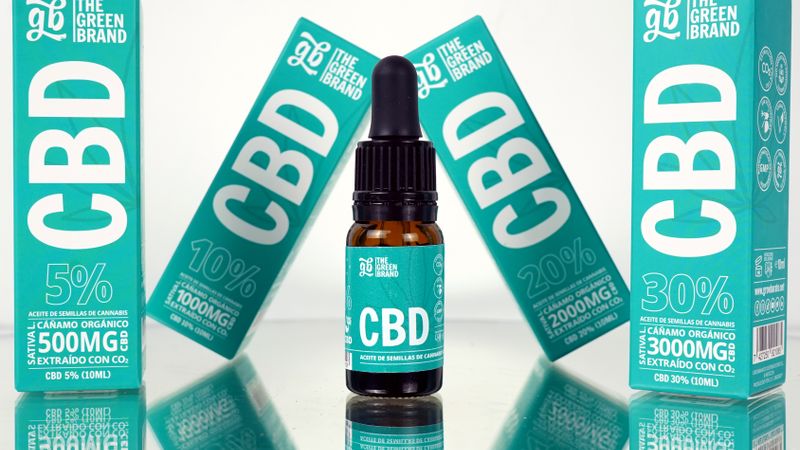
Given that CBD itself can cause dizziness, ultra-low starting doses are essential:
Starting Dose: 5mg daily
Moderate Dose: 10-20mg daily
Maximum: 25-40mg daily
Condition-Specific Recommendations
- Ménière’s: 10-25mg daily; focus on inter-episode maintenance
- Vestibular migraine: 15-30mg daily as preventive; may take 4-6 weeks for effect
- PPPD: 10-20mg daily; evening dosing for associated anxiety and sleep
- Post-neuritis: 10-20mg during vestibular rehabilitation period
Important Timing Notes
- Take CBD when in a safe position (seated or lying down) initially
- Avoid driving or balance-critical activities when starting CBD
- Monitor for any increase in dizziness or unsteadiness
Integration with Vestibular Care
1. Get Proper Diagnosis
- See ENT/otoneurologist for vestibular evaluation
- Hearing test and vestibular function testing
- Rule out central causes (MRI if indicated)
2. Address Treatable Causes first
- Epley maneuver for BPPV
- Appropriate medications for Ménière’s or vestibular migraine
- Vestibular rehabilitation therapy
3. Consider CBD as Adjunct
- Start extremely low (5mg)
- Monitor dizziness and balance carefully
- Increase only if no worsening after 7-10 days
Complementary Strategies
- Vestibular rehabilitation therapy (VRT): Gold standard for vestibular compensation
- Low-sodium diet: For Ménière’s disease
- Adequate hydration
- Stress management: Stress worsens all vestibular conditions
- Sleep hygiene: Sleep deprivation triggers vestibular symptoms
- Migraine diet: Avoid triggers for vestibular migraine
Expert Perspectives
Otoneurologists/ENTs
- Cautious about CBD due to dizziness side effect profile
- Acknowledge potential for anxiety and nausea management
- Emphasize proper diagnosis before any supplementation
- Want to see vestibular-specific clinical trials
Vestibular Therapists
- Interested in CBD’s potential to support vestibular compensation
- Concerned about sedation interfering with rehabilitation exercises
- Support cautious trial alongside VRT in appropriate patients
Risks and Medication Interactions
Medication Interactions
- Meclizine/Antihistamines: Additive sedation—reduce dose if combining with CBD
- Benzodiazepines (diazepam, lorazepam): Significantly increased sedation and fall risk; use extreme caution
- Betahistine: No known direct interaction, but monitor blood pressure
- Diuretics (used for Ménière’s): CBD may enhance hypotensive effects; monitor for lightheadedness
- Migraine preventives (topiramate, verapamil, propranolol): CBD may increase blood levels via CYP450 inhibition
- Anti-emetics (ondansetron): Potential additive effects; discuss with prescriber
When to Avoid CBD for Vertigo
- During acute vertigo attacks with vomiting (absorption unreliable)
- If CBD consistently worsens dizziness after multiple low-dose trials
- Before vestibular function testing (may skew results)
- If taking blood thinners alongside vestibular medications
- Undiagnosed dizziness—always seek medical evaluation first
Choosing Quality Products for Vestibular Conditions
- CBD isolate preferred: Start with isolate to minimize variables; THC may worsen dizziness
- Oil/tincture format: Sublingual oils allow precise micro-dosing starting at 5mg
- Avoid edibles initially: Delayed onset makes dose adjustment harder
- Third-party tested: Verify THC content is below 0.3% (trace THC can affect balance)
- Avoid products with added stimulants: Caffeine or energy blends may worsen vertigo

Conclusion
CBD’s relationship with vertigo and balance disorders is nuanced. Its anti-inflammatory, anti-nausea, and anxiolytic properties may benefit certain vestibular conditions. However, the paradoxical risk of CBD-induced dizziness requires careful management.
Current Evidence Suggests:
- CBD may help manage vertigo-associated anxiety, nausea, and sleep disruption
- Anti-inflammatory effects may benefit Ménière’s disease and vestibular neuritis
- Vestibular migraine may respond to CBD as a preventive
- Risk of CBD-induced dizziness requires ultra-low starting doses
The Bottom Line: CBD may be a helpful adjunct for certain vestibular conditions. It shows particular promise for managing anxiety, nausea, and vestibular migraine prevention. Start extremely low and monitor carefully. Ensure proper vestibular diagnosis before considering CBD.
Key Takeaways
- Vertigo disorders affect 15-20% of adults with limited treatment options
- The ECS is present in vestibular pathways and may regulate balance processing
- CBD may help with vertigo-related nausea, anxiety, and inflammation
- CBD CAN cause dizziness as a side effect—start at 5mg and titrate very slowly
- Vestibular migraine and PPPD may respond best to CBD
- Get proper vestibular diagnosis before trying CBD
- VRT remains the gold standard for vestibular rehabilitation
- Always discuss with your ENT or otoneurologist
Medical Disclaimer: This article is for informational purposes only and does not constitute medical advice. Vertigo can indicate serious underlying conditions. Always consult qualified healthcare providers for proper diagnosis and treatment before using CBD.
Sources & References (2)
- Vestibular Disorders Association (vestibular.org)
- Mayo Clinic (www.mayoclinic.org)
Medical Disclaimer: The content on this page is for informational purposes only and does not constitute medical advice. Always consult a qualified healthcare provider before starting any CBD regimen.