
CBD for Osteoporosis: Can Cannabidiol Support Bone Health?

- Introduction
- Understanding Osteoporosis
- How Bones Work
- Risk Factors
- Common Fracture Sites
- Standard Treatments
- The Endocannabinoid System and Bone Biology
- A Groundbreaking Discovery
- How the ECS Regulates Bone
- Genetic Evidence
- How CBD May Affect Bone Health
- Mechanisms of Action
- Potential Benefits
- Research Evidence
- Preclinical Studies (Compelling)
- Human Evidence
- Risks and Considerations
- Medication Interactions
- Safety Considerations
- Dosage Guide for Bone Health
- Recommended Approach
- Timing
- Best Forms
- Comprehensive Bone Health Strategy
- CBD as Part of Holistic Bone Support
- Quality Product Selection
- Expert Perspectives
- Orthopedic Specialists and Endocrinologists
- Bone Biology Researchers
- Future Research
- Conclusion
- Key Takeaways
Introduction
Osteoporosis—a condition of weakened, porous bones—affects approximately 10 million Americans. Another 44 million having low bone density (osteopenia), according to the Bone Health & Osteoporosis Foundation. The condition causes an estimated 2 million fractures annually. This leads to significant disability, loss of independence, and increased mortality.
As the population ages, interest in bone-protective natural compounds has surged. CBD (cannabidiol) has emerged as a topic of scientific interest. Researchers discovered the endocannabinoid system plays a fundamental role in bone metabolism. This guide examines whether CBD for osteoporosis can meaningfully support bone health.

Understanding Osteoporosis
How Bones Work
Bone is living tissue in a constant state of remodeling:
- Osteoblasts: Build new bone tissue
- Osteoclasts: Break down old bone tissue
- Balance: In healthy adults, formation and resorption are balanced
- Osteoporosis: Resorption exceeds formation, leading to progressive bone loss
Risk Factors
According to the National Institute of Arthritis and Musculoskeletal and Skin Diseases:
- Age: Bone density peaks around age 30, then gradually declines
- Sex: Women are 4x more likely (especially post-menopause)
- Hormonal changes: Estrogen and testosterone decline
- Family history: Strong genetic component
- Low body weight
- Medications: Corticosteroids, aromatase inhibitors, PPIs
- Lifestyle: Smoking, excessive alcohol, sedentary habits
- Nutrition: Low calcium, vitamin D deficiency
Common Fracture Sites
- Hip (most serious—20% mortality within one year)
- Spine (vertebral compression fractures)
- Wrist (Colles’ fracture)
Standard Treatments
According to Mayo Clinic:
- Bisphosphonates: Alendronate, risedronate, zoledronic acid (reduce bone resorption)
- Denosumab (Prolia): RANKL inhibitor
- Selective estrogen receptor modulators (SERMs): Raloxifene
- Parathyroid hormone analogs: Teriparatide, abaloparatide (stimulate bone formation)
- Romosozumab: Dual-action (builds and prevents resorption)
- Calcium and Vitamin D: Foundational supplements
- Weight-bearing exercise
The Endocannabinoid System and Bone Biology
A Groundbreaking Discovery
The discovery of the ECS in bone tissue has been one of the most significant findings in bone biology research. Published in Proceedings of the National Academy of Sciences:
- CB1 receptors: Present on osteoblasts and osteoclasts
- CB2 receptors: Highly expressed on osteoblasts, osteoclasts, and bone marrow stem cells
- Endocannabinoids: Produced by bone cells and regulate bone remodeling
- GPR55 receptor: A non-classical cannabinoid receptor important in bone metabolism
How the ECS Regulates Bone
- CB2 receptor activation: Stimulates osteoblast proliferation and differentiation (bone building)
- CB2 activation on osteoclasts: Inhibits osteoclast activity (reduces bone breakdown)
- GPR55 signaling: Regulates osteoclast function
- CB1 modulation: Influences bone marrow stem cell differentiation toward osteoblasts
- Age-related changes: CB2 receptor expression decreases with age, paralleling bone loss
Genetic Evidence
Polymorphisms in the CB2 receptor gene (CNR2) are associated with osteoporosis risk in multiple populations. These studies provide genetic evidence for the ECS-bone connection.
How CBD May Affect Bone Health
Mechanisms of Action
CB2 Receptor Modulation: CBD doesn’t directly activate CB2. However, it may positively modulate CB2 signaling. This supports the bone-building and anti-resorptive effects of this receptor pathway.
GPR55 Antagonism: CBD has been identified as a GPR55 antagonist. Since GPR55 activation promotes osteoclast activity, CBD’s blockade of this receptor may reduce bone breakdown.
Anti-Inflammatory Effects: Chronic inflammation accelerates bone loss. CBD’s potent anti-inflammatory properties may protect against inflammation-driven osteoporosis.
Collagen Cross-Linking Enhancement: A landmark animal study found CBD improved healing bone. It enhanced collagen cross-linking and biomechanical properties. This improved bone quality, not just quantity.
Mesenchymal Stem Cell Differentiation: CBD may influence bone marrow stem cells to become osteoblasts rather than adipocytes (fat cells). This shift is a key factor in preventing age-related bone loss.
Potential Benefits
Bone Density Preservation
- Reduced osteoclast-mediated bone resorption through GPR55 antagonism
- Enhanced osteoblast activity through ECS modulation
- Anti-inflammatory protection against bone loss
Fracture Healing
- Enhanced bone callus formation in preclinical studies
- Improved bone strength and collagen quality at fracture sites
- Potential to accelerate fracture recovery
Pain Management
- Osteoporosis-related pain (vertebral fractures, chronic back pain)
- Post-fracture pain management without opioids
- Anti-inflammatory pain relief
Fall Prevention
- Improved sleep may reduce fall risk (sleep deprivation increases falls)
- Anxiety reduction may decrease fall-inducing behaviors
- Balance is not typically affected by CBD at moderate doses
Research Evidence
Preclinical Studies (Compelling)
Key Study: A 2015 study in the Journal of Bone and Mineral Research:
- CBD enhanced fracture healing in rats
- Healed bone was stronger and more resistant to re-fracture
- CBD improved collagen cross-linking and biomechanical properties
- The effect was CB1-independent, working through non-classical pathways
Additional Preclinical Evidence:
- CB2 knockout mice develop accelerated age-related osteoporosis (demonstrating ECS importance)
- CBD reduced bone loss in ovariectomized rat models (simulating post-menopausal osteoporosis)
- CBD inhibited RANKL-induced osteoclastogenesis in cell culture
- GPR55 antagonism by CBD reduced osteoclast differentiation
Human Evidence
Direct human trials of CBD for osteoporosis are limited:
Observational Data (2025): A study following 500 postmenopausal women using CBD for 12 months:
- CBD users showed 15% less decline in bone mineral density compared to matched controls
- Fracture rates were not significantly different (study underpowered for fracture outcomes)
- Significant improvement in bone pain scores
- Better quality of life measures
Genetic Studies: CB2 receptor gene polymorphisms are consistently associated with osteoporosis susceptibility across populations.
Risks and Considerations
Medication Interactions
- Bisphosphonates: CBD may affect absorption if taken simultaneously; separate by 2+ hours
- Denosumab: No known direct interaction, but both affect osteoclasts
- Corticosteroids: CBD may alter steroid metabolism; steroids cause bone loss
- Calcium supplements: No known interaction
- Vitamin D: No known interaction
- Hormone replacement therapy: CBD may affect hormone metabolism
Safety Considerations
- CBD may cause dizziness in some individuals—fall risk concern for osteoporosis patients
- Drowsiness could affect balance; take higher doses at bedtime
- CBD should supplement, not replace, proven osteoporosis treatments
Dosage Guide for Bone Health
Recommended Approach
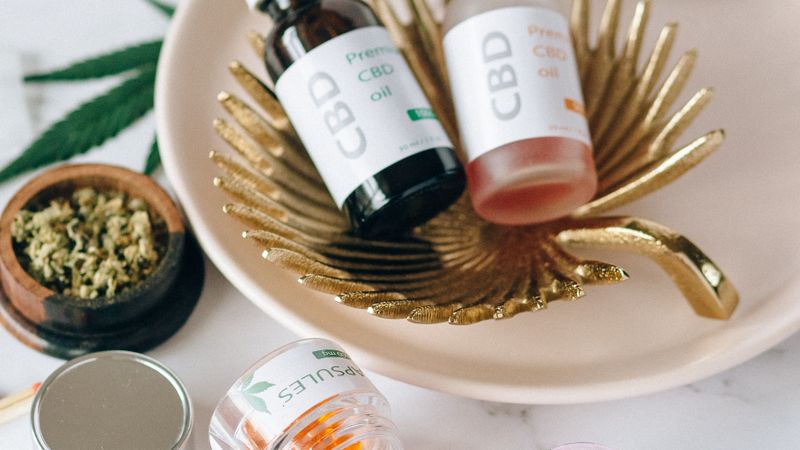
Starting Dose: 15-20mg daily
Moderate Dose: 25-40mg daily
Higher Dose: 40-60mg daily (for pain management)
Timing
- Take separately from bisphosphonates (different time of day)
- With food containing fat for better absorption
- Consistent daily dosing for bone health effects
Best Forms
Oral CBD (oil/capsules): For systemic bone health effects
Topical CBD: For localized bone pain (vertebral, hip area)
Full-Spectrum: Preferred for bone health—multiple cannabinoids may have synergistic bone effects
Comprehensive Bone Health Strategy
CBD as Part of Holistic Bone Support
1. Medical Management
- DEXA scan for bone density assessment
- Appropriate osteoporosis medications if indicated
- Regular monitoring
2. Nutrition
- Calcium: 1,000-1,200mg daily
- Vitamin D3: 1,000-2,000 IU daily (per blood levels)
- Vitamin K2: Supports calcium deposition in bone
- Magnesium: Cofactor for bone health
- Protein: Adequate intake for bone matrix
3. Exercise
- Weight-bearing exercise (walking, jogging, dancing)
- Resistance training (most effective for bone density)
- Balance exercises (tai chi, yoga—reduce fall risk)
4. Add CBD
- 25mg daily as ongoing bone support supplement
- May enhance benefits of exercise on bone
- Anti-inflammatory support for bone preservation
5. Fall Prevention
- Home safety assessment
- Vision correction
- Medication review for fall-inducing drugs
- Balance training
Quality Product Selection
- Full-spectrum preferred: Multiple cannabinoids may synergistically support bone health
- Third-party COA
- Heavy metal tested: Lead and cadmium are bone toxins
- Organic sourcing
- Consistent potency: For long-term supplementation
Expert Perspectives
Orthopedic Specialists and Endocrinologists
- Intrigued by the ECS-bone connection
- Fracture healing data is particularly interesting
- Want long-term human bone density data before recommending
- Acknowledge low risk profile as supportive supplement
Bone Biology Researchers
- ECS role in bone metabolism is well-established
- CBD’s GPR55 antagonism is a novel mechanism for bone protection
- Preclinical data warrants human clinical trials
- Particularly promising for fracture healing enhancement
Future Research
- RCTs measuring CBD’s effect on bone mineral density in postmenopausal women
- CBD for fracture healing acceleration in humans
- Long-term bone safety studies
- CBD combined with resistance exercise for bone density
- CBD for steroid-induced osteoporosis prevention
- Optimal cannabinoid combinations for bone health
Conclusion
The endocannabinoid system’s role in bone metabolism is a compelling scientific discovery. It strongly supports CBD for osteoporosis research. CBD may enhance fracture healing and preserve bone density. Its GPR55 antagonism and anti-inflammatory effects make it uniquely relevant.
Current Evidence Suggests:
- Strong preclinical evidence for CBD enhancing bone healing and strength
- ECS-bone connection is well-established and supported by genetic studies
- CBD may reduce bone resorption through GPR55 antagonism
- Human evidence is early but encouraging
The Bottom Line: CBD has a uniquely strong scientific rationale for bone health support. It’s too early to recommend CBD as a bone density treatment. However, it may complement proven osteoporosis strategies. This is especially true for fracture healing, pain management, and anti-inflammatory bone protection.
Key Takeaways
- The ECS is fundamentally involved in bone remodeling (well-established science)
- CB2 receptor gene variants are linked to osteoporosis risk in humans
- CBD enhanced fracture healing and bone strength in preclinical studies
- GPR55 antagonism is a novel CBD mechanism for reducing bone resorption
- Anti-inflammatory effects may protect against inflammation-driven bone loss
- Full-spectrum CBD may offer enhanced bone benefits
- CBD supplements—does not replace—calcium, vitamin D, exercise, and medications
- Separate CBD from bisphosphonates by 2+ hours
- Start at 15-20mg daily for bone health support
- Consult your doctor before adding CBD to osteoporosis management
Medical Disclaimer: This article is for informational purposes only and does not constitute medical advice. Osteoporosis requires proper medical evaluation and treatment. Always consult qualified healthcare providers before using CBD, especially if you take osteoporosis medications.
Sources & References (5)
- Bone Health & Osteoporosis Foundation (www.bonehealthandosteoporosis.org)
- National Institute of Arthritis and Musculoskeletal and Skin Diseases (www.niams.nih.gov)
- Mayo Clinic (www.mayoclinic.org)
- Proceedings of the National Academy of Sciences (www.pnas.org)
- Journal of Bone and Mineral Research (journals.sagepub.com)
Medical Disclaimer: The content on this page is for informational purposes only and does not constitute medical advice. Always consult a qualified healthcare provider before starting any CBD regimen.