
CBD for Psoriatic Arthritis: Managing Autoimmune Joint and Skin Disease

- Introduction
- Understanding Psoriatic Arthritis
- What Makes PsA Unique
- The Inflammatory Pathway
- Standard Treatments
- The ECS in Joint and Skin Biology
- ECS in Synovial Tissue
- ECS in Skin
- Why This Matters for PsA
- How CBD May Help PsA
- Joint-Specific Effects
- Skin-Specific Effects
- Dual-Benefit Potential
- Research Evidence
- Psoriasis-Specific Studies
- Arthritis Studies
- PsA-Specific Data
- Risks and Medication Interactions
- Drug Interactions
- Safety Considerations
- Dosage Guide for PsA
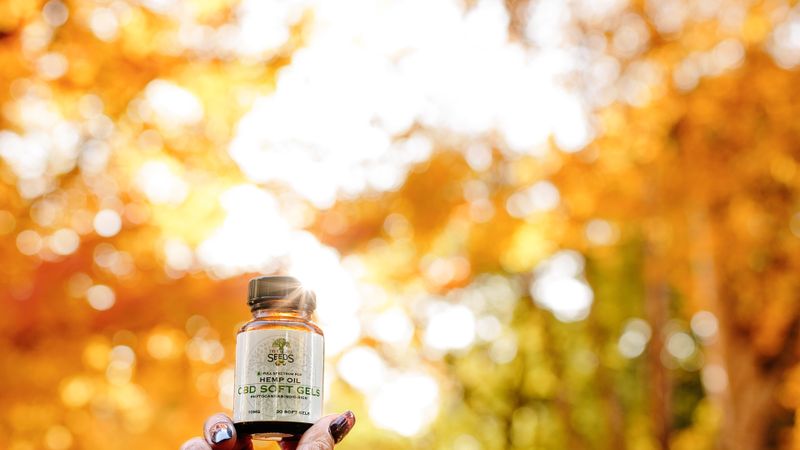
- Oral CBD
- Topical CBD for Psoriasis
- Topical CBD for Joints
- Optimal Strategy
- Integration Protocol
- Complementary Strategies
- Quality Product Selection
- For Skin Application
- For Oral Use
- Expert Perspectives
- Rheumatologists
- Dermatologists
- Future Research
- Conclusion
- Key Takeaways
Introduction
Psoriatic arthritis (PsA) is a chronic inflammatory condition. It affects approximately 30% of people with psoriasis—an estimated 2.4 million Americans—according to the National Psoriasis Foundation. This dual-burden disease attacks both joints and skin, causing pain, swelling, stiffness, and psoriasis plaques simultaneously.
The unique combination of joint inflammation and skin disease makes PsA particularly challenging to manage. Many patients face incomplete symptom control with conventional therapies or struggle with medication side effects. CBD (cannabidiol), with both anti-inflammatory and skin-modulating properties, has generated particular interest in the PsA community. This guide examines the evidence.

Understanding Psoriatic Arthritis
What Makes PsA Unique
According to Mayo Clinic, PsA combines features of both psoriasis and inflammatory arthritis:
Joint Involvement Patterns:
- Oligoarticular: Fewer than 5 joints (most common initial pattern)
- Polyarticular: 5+ joints (can resemble rheumatoid arthritis)
- Distal interphalangeal (DIP): Finger and toe end joints
- Spondylitis: Spine and sacroiliac joint inflammation
- Arthritis mutilans: Severe destructive form (rare)
Distinctive Features:
- Enthesitis: Inflammation where tendons/ligaments attach to bone (Achilles, plantar fascia)
- Dactylitis: “Sausage digits”—entire finger or toe swelling
- Nail changes: Pitting, ridging, onycholysis, oil-drop discoloration
- Psoriasis: Skin plaques, scalp involvement, inverse psoriasis
The Inflammatory Pathway
- TNF-α: Central cytokine in both skin and joint inflammation
- IL-17: Key driver of psoriasis and increasingly recognized in joint inflammation
- IL-23: Upstream regulator of IL-17 axis
- IL-6: Systemic inflammation marker
- Th17 cells: Dominant immune cells driving PsA pathology
Standard Treatments
According to American College of Rheumatology:
- NSAIDs: First-line for mild disease
- DMARDs: Methotrexate, sulfasalazine, leflunomide
- Biologics: TNF inhibitors, IL-17 inhibitors (secukinumab, ixekizumab), IL-23 inhibitors (guselkumab), IL-12/23 inhibitors (ustekinumab)
- JAK inhibitors: Tofacitinib, upadacitinib
- PDE4 inhibitors: Apremilast
- Topical therapies: For skin psoriasis component
The ECS in Joint and Skin Biology
ECS in Synovial Tissue
- CB1 and CB2 receptors present in synovial fibroblasts and immune cells
- Endocannabinoid levels elevated in inflamed PsA joints
- ECS modulates pannus formation (inflammatory tissue in joints)
ECS in Skin
- CB1 and CB2 receptors expressed in keratinocytes, sebocytes, and skin immune cells
- Endocannabinoids regulate keratinocyte proliferation and differentiation
- The ECS modulates skin inflammation and immune responses
- TRPV1 receptors in skin sensory neurons regulate itch and pain
Why This Matters for PsA
The ECS is present in both skin and joints. This means CBD could theoretically address both components of PsA simultaneously. That is a significant advantage over many single-target treatments.
How CBD May Help PsA
Joint-Specific Effects
Anti-Inflammatory: CBD suppresses TNF-α, IL-17, and IL-6—the exact cytokines driving PsA joint inflammation.
Joint Protection: CBD may inhibit matrix metalloproteinases that degrade cartilage and bone erosion pathways.
Pain Modulation: Multi-mechanism analgesic effects through TRPV1, glycine receptors, and anti-inflammatory pathways.
Enthesitis Relief: Anti-inflammatory effects may reduce tendon insertion inflammation.
Skin-Specific Effects
Keratinocyte Regulation: CBD may normalize the accelerated keratinocyte proliferation that causes psoriasis plaques.
Anti-Inflammatory Skin Effects: Reduce IL-17 and TNF-α in skin lesions.
Anti-Pruritic: CBD may reduce the intense itching associated with psoriasis through TRPV1 modulation.
Sebostatic Effects: CBD regulates oil production, relevant for seborrheic overlap.
Dual-Benefit Potential
- Oral CBD for systemic anti-inflammatory effects (joints + internal organs)
- Topical CBD for psoriasis plaques and localized joint pain
- Combined approach addressing both disease domains simultaneously
Research Evidence
Psoriasis-Specific Studies
- CBD inhibited keratinocyte proliferation in vitro (2019, Journal of Dermatological Science)
- Topical CBD reduced psoriasis severity scores in a 2024 clinical trial
- CBD-enriched ointment improved psoriasis area and severity index (PASI) scores
Arthritis Studies
- CBD reduced inflammatory arthritis in multiple animal models
- Topical CBD demonstrated anti-arthritic effects in rat models
- CBD suppressed TNF-α and IL-6 in synovial cell cultures
PsA-Specific Data
Survey Data (2025): Survey of 1,200 PsA patients using CBD:
- 59% reported reduced joint pain
- 53% noted improvement in psoriasis plaques (especially with topical CBD)
- 48% reported improved sleep
- 44% experienced less morning stiffness
- 39% reported reduced nail changes
- 35% reported improved enthesitis symptoms
- 31% were able to reduce NSAID use
Risks and Medication Interactions
Drug Interactions
- Methotrexate: Hepatotoxicity concern—liver monitoring essential
- Apremilast: Both partially metabolized by CYP3A4; potential interaction
- JAK inhibitors: CYP3A4 metabolism affected by CBD
- Biologics: Generally lower interaction risk (not CYP-metabolized), but additive immunosuppression possible
- NSAIDs: GI effects may be additive
- Topical steroids: Can generally be used alongside topical CBD
Safety Considerations
- Liver function monitoring important when combining CBD with hepatotoxic PsA medications
- Some topical CBD products may irritate psoriatic skin—patch test first
- Additive immunosuppression with biologics requires monitoring
Dosage Guide for PsA
Oral CBD
Starting Dose: 15-20mg daily
Moderate Dose: 25-50mg daily (for joint symptoms)
Higher Dose: 50-75mg daily (under rheumatologist supervision)
Topical CBD for Psoriasis
- Apply CBD cream/balm to psoriasis plaques 2-3 times daily
- Look for products with at least 300mg per ounce
- Choose fragrance-free, gentle formulations
- Patch test on unaffected skin first
- Can be applied over topical steroids (apply steroid first, wait 15 min)
Topical CBD for Joints
- Apply to swollen, painful joints
- Higher concentration products for deep joint penetration
- Massage gently—avoid excessive pressure on swollen joints
Optimal Strategy
Oral CBD (systemic) + topical CBD to psoriasis plaques + topical CBD to affected joints = comprehensive PsA approach.
Integration Protocol
1. Medical Team Coordination
- Discuss with both rheumatologist (joints) and dermatologist (skin)
- Review all medications for interactions
- Establish monitoring plan
2. Baseline Assessment
- PASI score (psoriasis severity)
- Tender and swollen joint counts
- Enthesitis assessment
- Liver function, CRP, ESR
- Quality of life measures (DLQI for skin, HAQ for function)
3. Systematic CBD Introduction
- Week 1-2: Topical CBD to psoriasis plaques only
- Week 2-4: Add topical CBD to painful joints
- Week 4+: Add oral CBD starting at 15mg daily
- Titrate oral dose based on joint symptom response
4. Assessment at 8-12 Weeks
- Repeat PASI and joint assessments
- Check liver function
- Evaluate quality of life changes
- Discuss medication adjustments if appropriate
Complementary Strategies
- Anti-inflammatory diet: Mediterranean diet; limit alcohol (worsens psoriasis)
- Weight management: Obesity worsens both skin and joint PsA
- Regular exercise: Swimming, low-impact activities
- Stress management: Stress triggers both skin and joint flares
- Omega-3 fatty acids: Evidence for both psoriasis and joint inflammation
- Vitamin D: Often deficient in psoriasis patients
Quality Product Selection
For Skin Application
- Fragrance-free, hypoallergenic formulations
- No irritating additives (alcohol, harsh chemicals)
- Moisturizing base (shea butter, coconut oil)
- Third-party tested for contaminants
- Consider products with added ceramides or colloidal oatmeal
For Oral Use
- Full-spectrum for enhanced anti-inflammatory effects
- Organic, pesticide-free
- COA from independent lab
- CO2 extraction
Expert Perspectives
Rheumatologists
- Note CBD cannot replace DMARDs for preventing joint destruction
- Support as complementary approach for symptom management
- Liver interaction concerns with methotrexate
Dermatologists
- Growing interest in topical CBD for psoriasis
- Early clinical data is encouraging
- Skin-calming and anti-inflammatory properties align with psoriasis management
- Recommend patch testing and gentle formulations
Future Research
- RCTs of CBD specifically in PsA (dual skin and joint outcomes)
- Topical CBD for psoriasis plaques vs. standard topical treatments
- CBD’s effect on IL-17 pathway (central to PsA)
- Combination of oral + topical CBD for PsA
- Safety with biologic therapies long-term
- CBD for PsA enthesitis (understudied symptom)

Conclusion
Psoriatic arthritis’s dual skin-and-joint nature makes CBD a uniquely relevant complementary option. CBD’s anti-inflammatory properties target both the dermatological and rheumatological aspects of the disease through overlapping mechanisms.
Current Evidence Suggests:
- Topical CBD may improve psoriasis plaques
- Both topical and oral CBD may reduce joint pain and inflammation
- Combined topical + oral approach addresses both disease domains
- Patient surveys show meaningful symptom improvement
The Bottom Line: CBD is particularly well-suited for PsA given its ability to address both skin and joint components. Start with topical CBD for skin lesions, add joint topical application, then introduce oral CBD for systemic effects. Always coordinate with both your rheumatologist and dermatologist.
Key Takeaways
- PsA uniquely combines autoimmune joint and skin disease
- The ECS is active in both synovial joints and skin tissue
- CBD targets TNF-α, IL-17, and IL-6—key PsA inflammatory drivers
- Topical CBD for psoriasis plaques shows promising clinical data
- Combined oral + topical approach may address both disease domains
- Liver monitoring essential when combining CBD with methotrexate
- CBD cannot replace DMARDs/biologics for preventing joint destruction
- Full-spectrum oral + fragrance-free topical recommended for PsA
- Consult both rheumatologist and dermatologist before starting
Medical Disclaimer: This article is for informational purposes only and does not constitute medical advice. Psoriatic arthritis requires medical management to prevent joint damage. Always consult qualified healthcare providers before using CBD, especially if you take DMARDs or biologic medications.
Sources & References (3)
- National Psoriasis Foundation (www.psoriasis.org)
- Mayo Clinic (www.mayoclinic.org)
- American College of Rheumatology (www.rheumatology.org)
Medical Disclaimer: The content on this page is for informational purposes only and does not constitute medical advice. Always consult a qualified healthcare provider before starting any CBD regimen.