
CBD for Scoliosis Pain: Managing Spinal Curvature Discomfort Naturally

- Introduction
- Understanding Scoliosis Pain
- Types of Scoliosis
- Sources of Scoliosis Pain
- Treatment Challenges
- The ECS and Spinal Pain
- ECS in Back and Spinal Tissue
- ECS and Pain Gate Control
- How CBD May Help Scoliosis Pain
- Muscle Pain and Spasm Relief
- Joint and Disc Pain
- Central Sensitization
- Sleep and Recovery
- Research Evidence
- CBD for Chronic Back Pain
- CBD for Musculoskeletal Conditions
- Scoliosis Patient Survey Data
- Topical vs. Oral CBD for Scoliosis
- Topical CBD (Essential Component)
- Oral CBD (Systemic Support)
- Combined Protocol
- Dosage Guide
- Oral CBD
- Topical CBD
- Post-Surgical Scoliosis Pain
- Integration with Physical Therapy
- Scoliosis-Specific Exercise Methods
- CBD-Enhanced Exercise Protocol
- Risks and Interactions
- Medication Interactions
- When to Avoid CBD
- Choosing Quality Products
- Topical Products for Back Pain
- Oral Products
- Expert Perspectives
- Spine Specialists
- Physical Therapists
- Future Research Directions
- Conclusion
- Key Takeaways
Introduction
Scoliosis is an abnormal lateral curvature of the spine. It affects approximately 6-9 million people in the United States, according to the American Association of Neurological Surgeons. Mild cases may cause minimal symptoms. However, moderate to severe scoliosis can result in chronic back pain, muscle imbalances, and nerve compression. It often reduces overall quality of life.
For adults living with scoliosis-related pain, effective pain management is an ongoing challenge. This is especially true for degenerative scoliosis that develops later in life. This guide explores how CBD (cannabidiol) may complement traditional CBD for scoliosis pain management. It covers the science behind its mechanisms, practical application strategies, and integration with physical therapy.
Understanding Scoliosis Pain
Types of Scoliosis
According to the Mayo Clinic:
Idiopathic Scoliosis (most common, ~80% of cases):
- Adolescent idiopathic scoliosis (AIS): Develops during growth spurts, ages 10-18
- Cause unknown; genetic component identified
- Often painless during adolescence but may cause pain in adulthood
Degenerative (Adult/De Novo) Scoliosis:
- Develops after age 40-50 due to disc degeneration and facet joint arthritis
- Affects up to 68% of adults over 60 to some degree
- Often painful due to arthritis, stenosis, and muscle fatigue
- Most common indication for scoliosis-related pain management
Neuromuscular Scoliosis:
- Associated with cerebral palsy, muscular dystrophy, spinal cord injuries
- Often severe, progressive, and painful
Sources of Scoliosis Pain
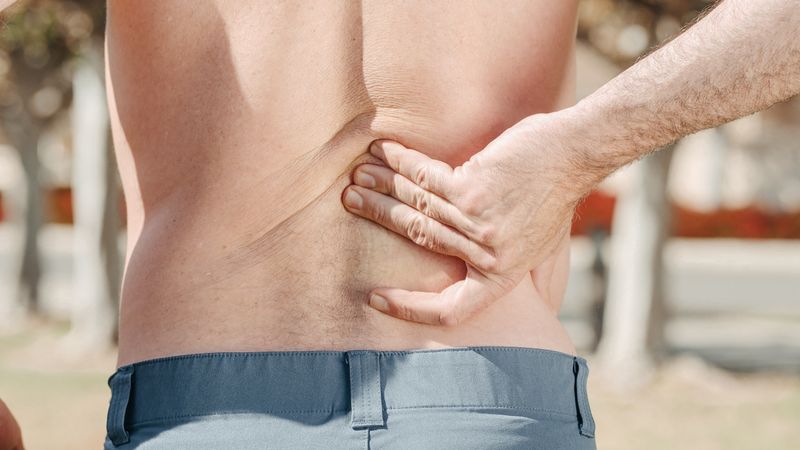
- Muscle fatigue and spasm: Asymmetric loading causes chronic muscle strain on the concave side
- Facet joint arthritis: Accelerated degeneration from altered biomechanics
- Disc degeneration: Asymmetric loading compresses discs unevenly
- Nerve compression/radiculopathy: Spinal stenosis from curvature and degeneration
- Rib cage pain: Thoracic scoliosis can cause rib compression and intercostal neuralgia
- Postural compensations: Hip, knee, and SI joint pain from compensatory patterns
- Post-surgical pain: After spinal fusion, pain at and around fusion sites
Treatment Challenges
- NSAIDs: Help short-term but GI risks with chronic use
- Opioids: Addiction and tolerance risks for chronic pain
- Muscle relaxants: Sedation limits daily functioning
- Physical therapy: Effective but requires long-term commitment
- Injections: Temporary relief; repeated steroid injections carry risks
- Surgery: Major operation with long recovery; reserved for severe cases
- Multimodal approach needed: No single treatment is sufficient for most patients
The ECS and Spinal Pain
ECS in Back and Spinal Tissue
- CB1 receptors: Dense in spinal cord dorsal horn (pain processing), paraspinal muscle fibers, DRG neurons
- CB2 receptors: Present in spinal microglia, disc tissue, facet joint synovium
- TRPV1 receptors: Abundant in spinal sensory neurons and muscle nociceptors
- Anandamide and 2-AG: Produced locally in spinal cord in response to pain signaling
ECS and Pain Gate Control
- Endocannabinoids in the spinal cord dorsal horn modulate pain signal transmission
- CB1 activation reduces excitatory neurotransmitter release from pain-sensing neurons
- This “pain gate” function is directly relevant to scoliosis-related chronic pain
How CBD May Help Scoliosis Pain
Muscle Pain and Spasm Relief
- Muscle relaxation: CBD has demonstrated muscle-relaxant properties in both preclinical and clinical studies
- Reduced muscle inflammation: Chronically strained paraspinal muscles in scoliosis are in a state of inflammatory fatigue
- Motor neuron modulation: CBD may reduce excessive muscle activation patterns in chronically spasming muscles
- Topical application: Direct delivery to paraspinal muscles is particularly relevant
Joint and Disc Pain
- Anti-inflammatory: CBD reduces inflammatory cytokines (TNF-α, IL-1β, IL-6) in joint and disc tissue
- Cartilage protection: May inhibit MMP enzymes that degrade cartilage in facet joints
- Neuropathic pain: CBD addresses nerve compression pain through TRPV1 desensitization and adenosine enhancement
Central Sensitization
- Chronic scoliosis pain often leads to central sensitization (amplified pain processing in the CNS)
- CBD modulates central pain pathways through multiple mechanisms
- May help “recalibrate” an overactive pain system
Sleep and Recovery
- Poor sleep exacerbates chronic pain—scoliosis makes comfortable sleep positions difficult
- CBD may improve sleep quality, supporting tissue recovery and pain modulation
- Better sleep reduces muscle tension and inflammatory markers
Research Evidence
CBD for Chronic Back Pain
A 2022 systematic review of cannabinoids for chronic non-cancer pain found:
- Modest but statistically significant pain reduction
- Improved physical function in some studies
- Favorable side effect profile compared to opioids
- Back pain was among the most studied pain conditions
CBD for Musculoskeletal Conditions
- Topical CBD demonstrated significant pain reduction in musculoskeletal conditions in multiple studies
- Nabiximols (THC/CBD spray) showed efficacy for spasticity in MS patients—relevant to muscle spasm
- CBD reduced inflammatory markers in arthritic joints (preclinical)
Scoliosis Patient Survey Data
A 2024 survey of 400 adults with scoliosis using CBD:
- 58% reported meaningful pain reduction
- 64% reported reduced muscle tension and spasm
- 47% reported improved sleep quality
- 42% reduced NSAID or muscle relaxant use
- 35% reported improved ability to exercise
- Most effective approach: Combined oral + topical CBD
- Topical application area: Along the concave side of the curve (highest muscle strain)
Topical vs. Oral CBD for Scoliosis
Topical CBD (Essential Component)
Why Topical Is Critical for Scoliosis:
- Delivers CBD directly to overworked paraspinal muscles
- Can target specific pain areas along the curvature
- Massage during application provides additional benefit
- Minimal systemic absorption limits drug interactions
Application Strategy:
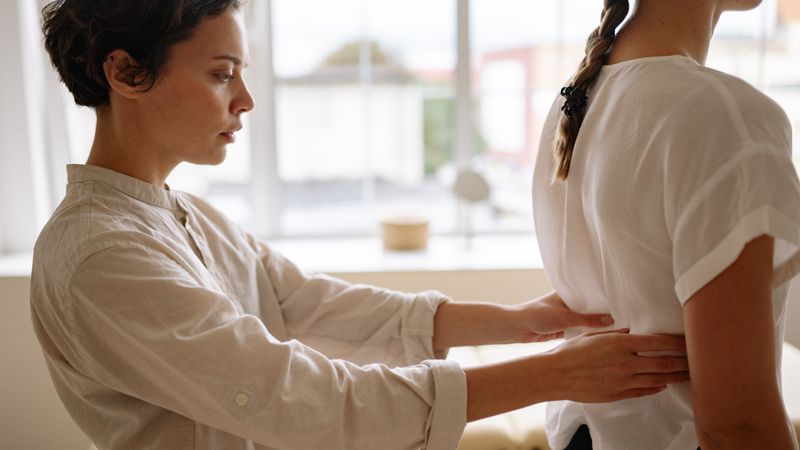
- Apply along the paraspinal muscles on the concave side of the curve
- Extend application to compensatory pain areas (hips, shoulders, neck)
- Use before and after physical therapy or exercise
- Apply before bed to reduce nighttime muscle tension
Oral CBD (Systemic Support)
When to Add Oral CBD:
- Widespread pain involving multiple areas
- Neuropathic component (nerve compression symptoms)
- Sleep disruption from pain
- Central sensitization (pain seems disproportionate to structural findings)
- Significant anxiety about pain or condition progression
Combined Protocol
- Morning: Topical CBD to back + 10-15mg oral CBD
- Pre-exercise/PT: Topical CBD to back 20 minutes before
- Post-exercise/PT: Reapply topical CBD
- Evening: Topical CBD to back + 15-25mg oral CBD for sleep and overnight pain
Dosage Guide
Oral CBD
- Starting: 10mg twice daily
- Moderate: 15-25mg twice daily
- Maximum: 50mg twice daily (higher doses may be needed for severe chronic pain)
Topical CBD
- Choose products with at least 500mg CBD per container
- Apply generously—scoliosis involves large muscle groups
- Frequency: 3-4 times daily, or as needed
- Deep tissue massage during application enhances delivery
Post-Surgical Scoliosis Pain
- Discuss with surgeon before using CBD post-operatively
- CBD may interact with post-surgical medications (pain medications, anticoagulants)
- Topical CBD around (not on) surgical incisions may help with surrounding muscle pain
- Wait until incisions are fully healed before applying topical products
Integration with Physical Therapy
Scoliosis-Specific Exercise Methods
CBD may enhance outcomes from evidence-based scoliosis exercises:
- Schroth method: 3D scoliosis-specific exercises; CBD before sessions may improve tolerance
- SEAS (Scientific Exercise Approach to Scoliosis): Active self-correction training
- Yoga for scoliosis: Modified poses addressing specific curve patterns
- Pilates: Core strengthening to support spinal alignment
- Aquatic therapy: Buoyancy reduces pain during movement (use oral CBD, not topical, before pool sessions)
CBD-Enhanced Exercise Protocol
- Apply topical CBD to back 20 minutes before exercise
- Take oral CBD 30-45 minutes before if pain limits exercise tolerance
- Perform scoliosis-specific exercises or prescribed PT
- Gentle stretching post-exercise
- Reapply topical CBD post-exercise
- Ice or heat as recommended by PT
Risks and Interactions
Medication Interactions
- NSAIDs: Generally safe to combine but monitor for increased GI effects
- Muscle relaxants (cyclobenzaprine, baclofen): Additive sedation—reduce muscle relaxant dose potentially
- Gabapentin/Pregabalin: Used for nerve pain; potential additive sedation
- Opioids: CBD may enhance effects—potential opportunity for dose reduction under medical supervision
- Acetaminophen: Both processed by liver—monitor with chronic combined use
When to Avoid CBD
- Before surgical procedures (blood clotting concerns)
- If taking blood thinners pre/post-surgery
- If experiencing acute nerve compression requiring emergency care
- Adolescent scoliosis patients (consult pediatric specialist)
Choosing Quality Products
Topical Products for Back Pain
- High CBD concentration: 1000mg+ per container for large-area application
- Pump or roll-on dispenser: Easier to apply to your own back
- Cooling or warming agents: Both can benefit (menthol for acute pain; capsaicin for chronic tension)
- Fast-absorbing formula: Won’t stain clothing
- Third-party tested
Oral Products
- Full-spectrum CBD oil: Maximum entourage effect for pain management
- COA verified: Certificate of Analysis from independent lab
- Precise dosing: Tinctures with measured droppers preferred
Expert Perspectives
Spine Specialists
- Increasingly open to CBD as part of multimodal pain management
- Prefer it over escalating opioid prescriptions
- Want to see scoliosis-specific clinical trials
- Support topical CBD as low-risk adjunct
Physical Therapists
- Report that patients using CBD before sessions often tolerate exercises better
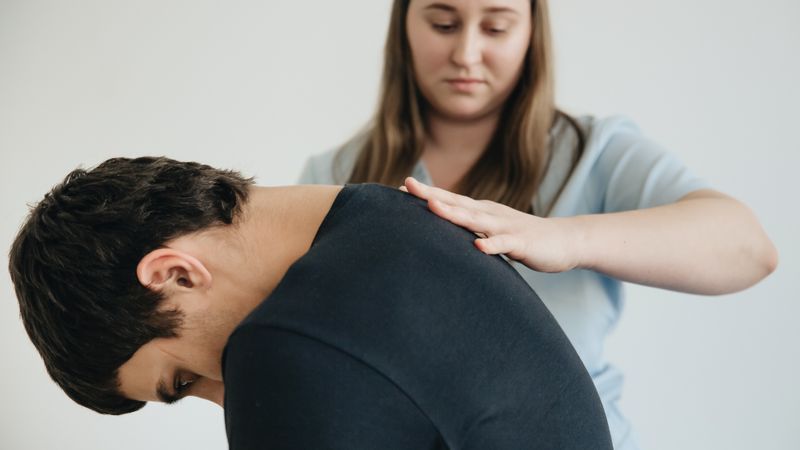
- Support topical CBD application as part of manual therapy
- Emphasize that CBD should not replace active exercise programs
- See CBD as a bridge enabling more effective rehabilitation
Future Research Directions
- RCTs of CBD for degenerative scoliosis pain specifically
- CBD’s effect on disc degeneration progression (preclinical evidence suggests protection)
- Topical CBD for post-fusion pain syndromes
- CBD as opioid-sparing strategy in scoliosis pain management
- Long-term outcomes of combined CBD + physical therapy programs
Conclusion
CBD addresses multiple mechanisms relevant to scoliosis pain. These include muscle tension, joint inflammation, nerve compression, central sensitization, and sleep disruption. Combining topical and oral CBD with physical therapy and exercise is a promising multimodal approach to this chronic condition.
The Bottom Line: CBD for scoliosis pain is a reasonable, low-risk adjunct to conventional management. Topical application to paraspinal muscles works best when combined with oral CBD for systemic effects. Focus on high-quality products, consistent use, and integration with scoliosis-specific exercises.
Key Takeaways
- Scoliosis affects 6-9 million Americans; degenerative scoliosis affects up to 68% of adults over 60
- Pain comes from multiple sources: muscles, joints, discs, nerves, and compensatory patterns
- The ECS is densely represented in spinal pain-processing pathways
- Topical CBD to the concave side of the curve addresses the most strained muscles
- Combined oral + topical approach is most effective based on patient reports
- CBD may enhance tolerance for physical therapy and exercise
- Start oral CBD at 10mg twice daily; use topical CBD 3-4 times daily
- Monitor interactions with muscle relaxants, gabapentin, and opioids
Medical Disclaimer: This article is for informational purposes only and does not constitute medical advice. Scoliosis requires proper evaluation by a spine specialist. New or worsening symptoms including numbness, weakness, or bowel/bladder changes require immediate medical attention. Always consult your healthcare provider before using CBD products.
Sources & References (2)
- American Association of Neurological Surgeons (www.aans.org)
- Mayo Clinic (www.mayoclinic.org)
Medical Disclaimer: The content on this page is for informational purposes only and does not constitute medical advice. Always consult a qualified healthcare provider before starting any CBD regimen.