
CBD for TMJ Pain: Complete Guide to Jaw Pain and Dysfunction Relief

- Introduction
- Understanding TMJ Disorders
- What Is TMD?
- Common Symptoms
- Contributing Factors
- Standard Treatments
- The Endocannabinoid System and TMJ
- ECS Presence in the TMJ Region
- ECS and Jaw Pain Pathways
- How CBD May Help TMJ
- Multi-Mechanism Approach
- Benefits by TMJ Issue
- Research Evidence
- Preclinical Studies
- Human Studies
- Risks and Interactions
- Medication Interactions
- Side Effects
- Dosage Guide for TMJ
- Topical CBD (Primary Recommendation)
- Oral CBD
- Optimal Strategy
- TMJ Management Integration
- Comprehensive Protocol
- Quality Product Selection for TMJ
- Topical Products
- Oral Products
- Expert Perspectives
- Orofacial Pain Specialists
- Physical Therapists
- Future Research
- Conclusion
- Key Takeaways
Introduction
Temporomandibular joint disorders (TMD/TMJ) affect approximately 10 million Americans, according to the National Institute of Dental and Craniofacial Research. These conditions cause pain and dysfunction in the jaw joint and surrounding muscles. This significantly impacts eating, speaking, and quality of life.
Conventional treatments often provide incomplete relief. Many TMJ sufferers are now turning to CBD (cannabidiol) for its analgesic, anti-inflammatory, and muscle-relaxing properties. This guide explores the evidence for CBD for TMJ management. It provides practical guidance for safely integrating CBD into your care plan.

Understanding TMJ Disorders
What Is TMD?
According to the Mayo Clinic, temporomandibular disorders encompass conditions affecting the temporomandibular joint, jaw muscles, and associated structures:
- Myofascial pain: Pain in the jaw muscles (most common TMD type)
- Internal derangement: Displaced disc, dislocated jaw, or condyle injury
- Degenerative joint disease: Osteoarthritis or rheumatoid arthritis of the TMJ
Common Symptoms
- Jaw pain or tenderness (unilateral or bilateral)
- Clicking, popping, or grating sounds with jaw movement
- Difficulty opening or closing the mouth (lockjaw)
- Pain while chewing or talking
- Facial pain radiating to temples, ears, or neck
- Headaches (often misdiagnosed as tension headaches or migraines)
- Ear pain, tinnitus, or fullness sensation
- Neck and shoulder tension
- Teeth grinding (bruxism) — both cause and effect
Contributing Factors
- Bruxism: Teeth grinding and clenching, often stress-related
- Stress and anxiety: Major contributor to jaw tension
- Malocclusion: Bite alignment issues
- Trauma: Injury to jaw or head
- Arthritis: Inflammatory or degenerative joint disease
- Connective tissue disorders
- Poor posture: Head-forward posture strains jaw muscles
Standard Treatments
According to the American Dental Association:
- Self-care: Soft diet, heat/ice, jaw exercises
- Oral splints/night guards: Protect teeth and reduce clenching
- Physical therapy: Jaw exercises, manual therapy, posture correction
- Medications: NSAIDs, muscle relaxants, tricyclic antidepressants
- Botox injections: For severe muscle-related TMD
- Arthroscopy or surgery: For structural problems unresponsive to conservative treatment
The Endocannabinoid System and TMJ
ECS Presence in the TMJ Region
- CB1 receptors: Found in TMJ synovial tissue, jaw muscles, and trigeminal nerve
- CB2 receptors: Present in immune cells and synovial tissue of the TMJ
- TRPV1 receptors: Abundant in trigeminal ganglia (major pain pathway for TMJ)
- Endocannabinoids: Detected in TMJ synovial fluid
ECS and Jaw Pain Pathways
Research in Journal of Dental Research shows:
- Endocannabinoid levels in TMJ synovial fluid correlate with pain severity
- CB1 activation reduces trigeminal nerve firing—the primary pain pathway for TMJ
- CB2 activation modulates inflammation in TMJ joint tissue
- The ECS influences stress-related jaw clenching through central mechanisms
How CBD May Help TMJ
Multi-Mechanism Approach
Pain Relief: CBD modulates trigeminal nerve pain signaling through TRPV1 desensitization and glycine receptor potentiation. It directly targets the nerve responsible for jaw, face, and head pain.
Anti-Inflammatory Effects: CBD reduces inflammatory mediators in joint tissue, potentially reducing TMJ synovitis and disc inflammation.
Muscle Relaxation: CBD has demonstrated muscle relaxant properties that may reduce jaw muscle tension, clenching, and spasm.
Stress and Anxiety Reduction: Stress is a primary driver of bruxism and jaw clenching. CBD’s anxiolytic effects address a root cause of TMJ dysfunction.
Sleep Improvement: Nocturnal bruxism is a major cause of TMJ pain. CBD may improve sleep quality and reduce nighttime clenching.
Central Sensitization Reversal: Chronic TMJ pain can lead to central sensitization. CBD’s neuromodulatory effects may help reset pain processing.
Benefits by TMJ Issue
Muscular TMD (Myofascial Pain)
- Topical CBD applied to masseter and temporalis muscles
- Oral CBD for systemic muscle relaxation
- Stress reduction decreasing clenching behavior
Inflammatory TMJ Arthritis
- Anti-inflammatory effects on joint tissue
- Pain signal modulation through endocannabinoid pathways
- Potential cartilage protection
Bruxism-Related TMJ
- Anxiety reduction decreasing stress-related clenching
- Improved sleep quality reducing nocturnal bruxism
- Muscle relaxation properties
TMJ-Associated Headaches
- Trigeminal nerve modulation
- Reduced muscle tension in head and neck
- Anti-inflammatory effects on sensitized neural pathways
Research Evidence
Preclinical Studies
- CBD reduced TMJ inflammatory pain in a rat model (2021 study in European Journal of Pain)
- Endocannabinoid system modulation decreased nociception in TMJ animal models
- CBD reduced masseter muscle electromyographic activity in stress-induced clenching models
- Anti-inflammatory effects demonstrated in synovial cell cultures
Human Studies
Clinical Data: A 2024 study in the Journal of Oral Rehabilitation evaluated topical CBD for TMD:
- 60 patients with myofascial TMD applied CBD cream to jaw muscles
- 70% reported meaningful pain reduction at 4 weeks
- Maximum mouth opening improved significantly
- Jaw muscle tenderness scores decreased by 45%
- Superior results versus placebo cream
Survey Data (2025): Survey of 900 TMJ patients using CBD:
- 63% reported reduced jaw pain
- 55% reported decreased headache frequency
- 49% noted reduced clenching/grinding
- 44% reported improved sleep
- 38% reduced use of pain medications
Risks and Interactions
Medication Interactions
- Muscle relaxants (cyclobenzaprine): Enhanced sedation
- Tricyclic antidepressants (amitriptyline): Increased drug levels
- NSAIDs: Generally safe to combine; monitor GI effects
- Benzodiazepines: Enhanced sedation—caution advised
Side Effects
- Drowsiness (may benefit nighttime use, problematic during day)
- Dry mouth (may affect TMJ comfort)
- Potential jaw relaxation that could worsen disc displacement (rare)
Dosage Guide for TMJ
Topical CBD (Primary Recommendation)
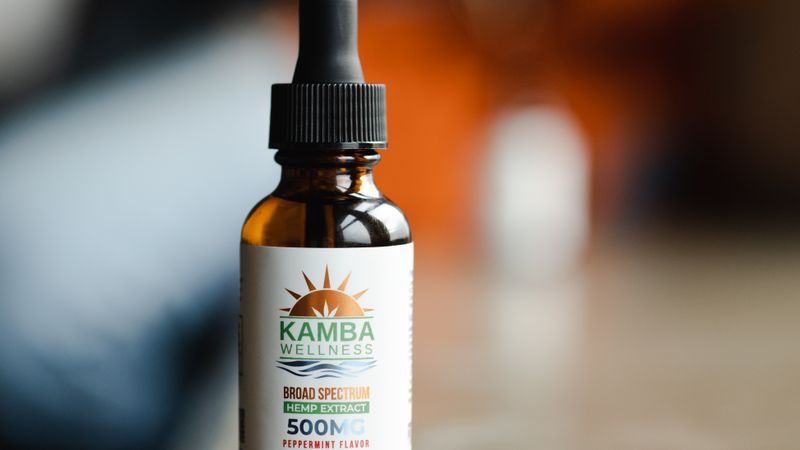
- Apply CBD cream/balm (minimum 500mg per ounce) to masseter, temporalis, and neck muscles
- Use 2-3 times daily and before bed
- Gently massage into muscles for 2-3 minutes
- Apply after warm compress for enhanced absorption
Oral CBD
Starting Dose: 10-15mg daily
Moderate Dose: 20-35mg daily
Higher Dose: 35-50mg daily (for severe symptoms)
Optimal Strategy
- Topical CBD to jaw muscles + oral CBD at bedtime (comprehensive approach)
- Evening dosing addresses nocturnal bruxism and stress
- Daytime topical application for breakthrough pain
TMJ Management Integration
Comprehensive Protocol
1. Professional Assessment
- See a TMJ specialist (orofacial pain dentist, oral surgeon, or physical therapist)
- Get proper diagnosis (imaging if needed)
- Discuss CBD as part of treatment plan
2. Foundation Treatments
- Custom night guard for bruxism
- Physical therapy for jaw exercises and posture
- Stress management techniques
3. Add CBD
- Start with topical CBD to jaw muscles
- Add oral CBD after 1 week if desired
- Track pain levels, jaw function, and head pain daily
4. Self-Care Synergies
- Jaw relaxation exercises (“lips together, teeth apart”)
- Warm compresses before CBD topical application
- Posture correction (head position affects jaw)
- Stress reduction (CBD + meditation/breathing exercises)
- Soft food diet during flares
- Avoid gum chewing, nail biting, wide yawning
Quality Product Selection for TMJ
Topical Products
- High concentration (500mg+ per ounce)
- Complementary ingredients: menthol, camphor, arnica, magnesium
- Unscented options for facial use
- Third-party tested
Oral Products
- Full-spectrum for enhanced pain relief (entourage effect)
- Look for myrcene and linalool terpenes (muscle relaxation)
- Organic, COA-verified
Expert Perspectives
Orofacial Pain Specialists
- Growing interest in topical CBD as adjunct treatment
- Prefer conservative approach—topical before oral
- Acknowledge strong theoretical basis
- Note need for more TMJ-specific clinical trials
Physical Therapists
- Value CBD’s muscle relaxation properties
- Recommend topical CBD as part of comprehensive program
- Emphasize that CBD alone is insufficient—need exercises and posture work
Future Research
- RCTs of topical and oral CBD for specific TMD subtypes
- CBD effects on nocturnal bruxism (EMG studies)
- Long-term TMJ cartilage effects with CBD
- CBD vs. Botox for myofascial TMD
- Combined CBD and physical therapy protocols

Conclusion
CBD—particularly topical application to jaw muscles—shows strong potential for TMJ pain management. Its combined analgesic, anti-inflammatory, muscle relaxant, and anxiolytic properties address multiple aspects of TMJ dysfunction simultaneously.
Current Evidence Suggests:
- Topical CBD significantly reduces myofascial TMJ pain in clinical studies
- Oral CBD may help with stress-related clenching and sleep disruption
- Combined topical + oral approach may optimize results
- Low risk profile compared to conventional TMJ medications
The Bottom Line: CBD is a promising natural option for TMJ pain. Topical formulations applied directly to jaw muscles work especially well. Use it as part of a comprehensive TMJ plan. Include proper dental care, physical therapy, and stress management.
Key Takeaways
- TMJ disorders affect 10 million Americans with limited effective treatments
- The ECS is present in TMJ tissue and the trigeminal nerve pain pathway
- Topical CBD to jaw muscles has the strongest evidence for TMJ relief
- CBD addresses pain, inflammation, muscle tension, and stress—all TMJ factors
- Combine topical and oral CBD for comprehensive approach
- Start with topical CBD cream (500mg+ per oz) applied 2-3 times daily
- Address underlying causes: stress, posture, bruxism, malocclusion
- Night guard + CBD may be particularly effective for bruxism-related TMJ
- Consult a TMJ specialist for proper diagnosis before self-treating
Medical Disclaimer: This article is for informational purposes only and does not constitute medical or dental advice. TMJ conditions require proper professional diagnosis. Always consult with qualified healthcare providers before using CBD for TMJ pain.
Sources & References (5)
- National Institute of Dental and Craniofacial Research (www.nidcr.nih.gov)
- Mayo Clinic (www.mayoclinic.org)
- American Dental Association (www.ada.org)
- Journal of Dental Research (iadr.abstractarchives.com)
- Journal of Oral Rehabilitation (onlinelibrary.wiley.com)
Medical Disclaimer: The content on this page is for informational purposes only and does not constitute medical advice. Always consult a qualified healthcare provider before starting any CBD regimen.